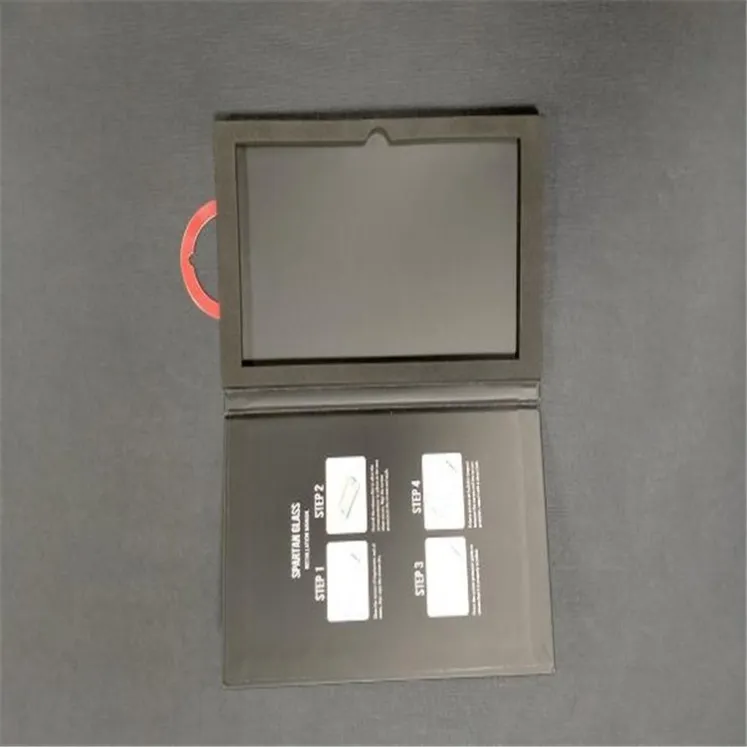
Advantages
Custom Phone Case Boxes
Custom Phone Case Boxes
Custom Phone Case Boxes: Packaging a Product Line That Won’t Stand Still
Most products in our retail box catalogue come with relatively stable specifications. Custom phone case boxes, however, present a different challenge—and it has little to do with the box itself.
Smartphone manufacturers update their product lineups every year. A phone case range that fits 15 handset models today may need to accommodate an entirely different set of 15 models next year. Each combination of phone case design and handset model represents a separate SKU, often requiring its own packaging specifications and product information.
The real challenge lies in keeping up with this constant product evolution. Packaging needs to be flexible enough to accommodate new models, support frequent SKU updates, and help brands manage inventory efficiently without unnecessary redesigns or packaging waste.
Consider a relatively modest product range: five phone case designs compatible with 40 different handset models. That adds up to 200 individual SKUs.
If each carton is printed with a specific handset model name, you could end up managing 200 separate print runs and 200 inventory lines. Whenever a handset generation is discontinued, any remaining model-specific cartons may become obsolete, leaving you with unnecessary inventory costs and potential write-offs.
A more efficient approach is to develop one family of cartons with shared artwork, a common die-line, and a consolidated print run. Instead of printing model-specific information directly onto the packaging board, use applied labels to identify each handset model and SKU.
This approach allows a single print run to serve the entire product range. When a model becomes obsolete, you only need to replace or update the label rather than discard unused cartons. New handset models can also be introduced with artwork approvals and label updates that take days rather than weeks, helping you respond to product changes more efficiently.
Plan the label placement from the beginning of the packaging design process. A well-positioned label should complement the packaging, not cover your logo or interfere with key branding elements simply because no suitable space was reserved. Thoughtful planning helps preserve your brand presentation while keeping your packaging flexible, cost-effective, and ready for future product updates.
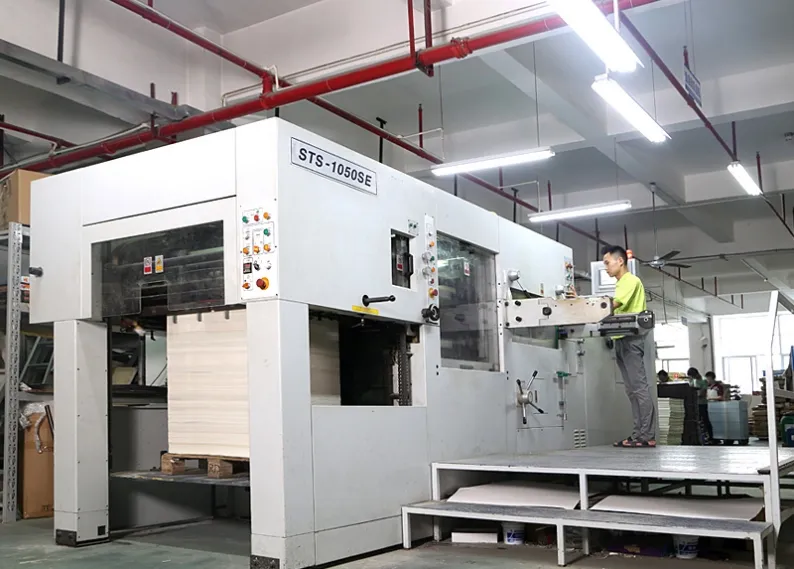
Heidelberg Machine
Phone cases are highly visual products, and customers often make purchasing decisions based on their appearance. Yet important details—such as matte or glossy finishes, surface textures, translucency, and exact color tones—are difficult to communicate through printed images alone. This makes thoughtful packaging design essential for presenting the product accurately and setting the right customer expectations.
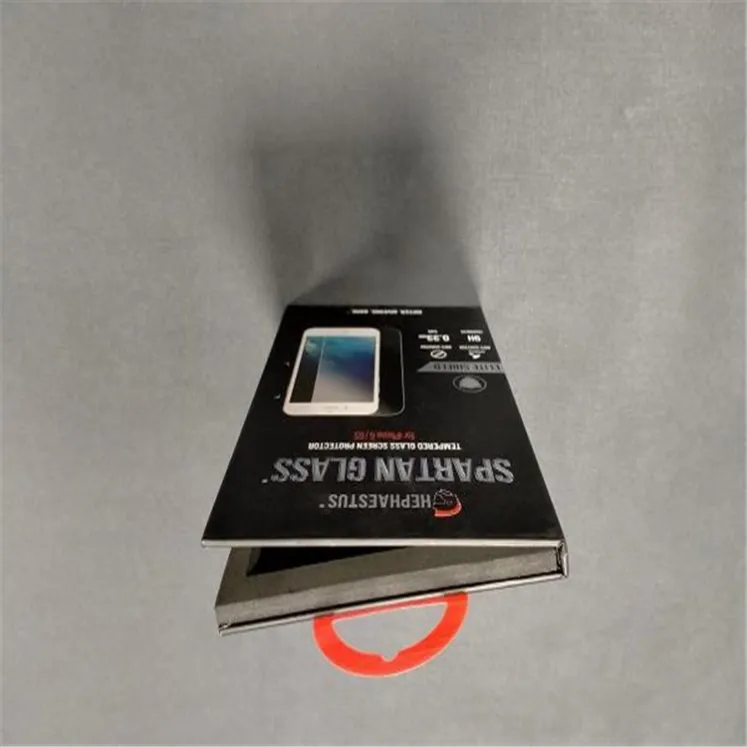
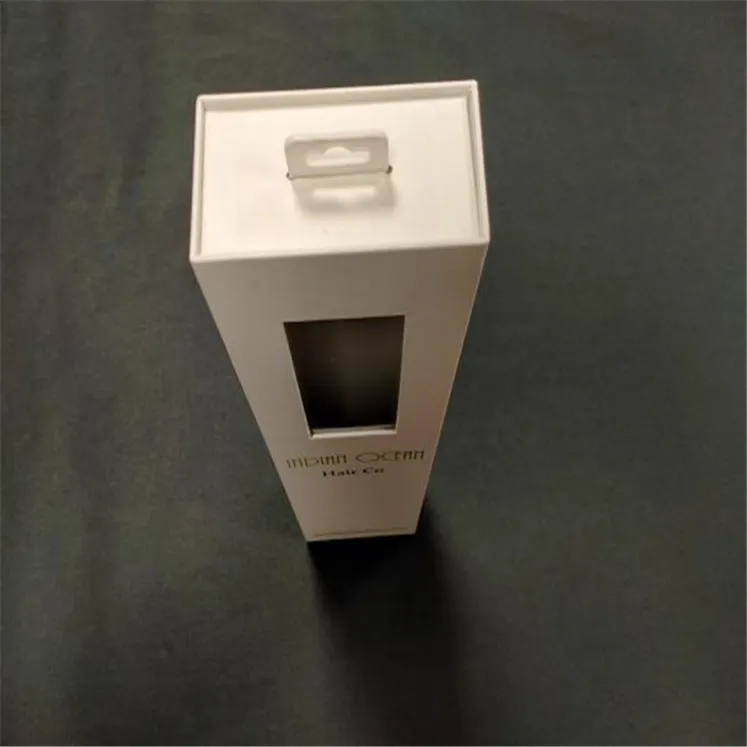
- Window boxes feature a die-cut aperture covered with clear film, allowing customers to see the actual phone case before purchasing. The trade-off is reduced printable surface area and the use of an additional film component, which can make recycling more challenging.
- Open-front cartons feature a die-cut opening that allows customers to see and touch the phone case directly. This hands-on experience can encourage purchase decisions, although the exposed product may be more vulnerable to handling damage, shrinkage, or theft.
- Blister packs and clamshell packaging keep the phone case visible while providing a more secure enclosure that helps prevent in-store tampering and unauthorized opening. These options can be particularly suitable for retail environments where theft prevention is a priority.
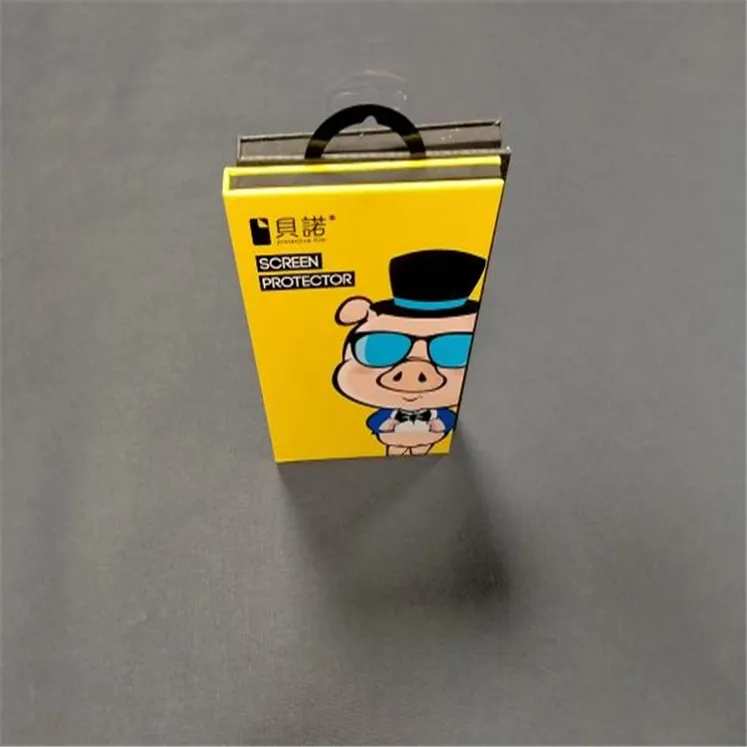
- Fully printed cartons are most effective when the product photography accurately represents the actual phone case. For a plain black case, a printed image may be sufficient. However, for a translucent or iridescent case, photographs alone may fail to capture the product's distinctive transparency, color shifts, and visual effects.
One of the most common reasons for returns in the phone case category is customers purchasing a case that is incompatible with their handset.
Model compatibility information should be immediately visible and easy to read. Place it on the front panel in clear, legible text that customers can read from arm’s length, rather than hiding it in small print on the back of the packaging. If a case is compatible with multiple handset models, list each model clearly instead of relying on marketing shorthand that customers may find confusing.
This information must also be easy to update whenever the compatibility list changes. That is another strong reason to use applied labels for model-specific details rather than printing them directly onto the carton. Labels make updates simpler, reduce the risk of obsolete packaging inventory, and help ensure customers always receive clear, accurate compatibility information.
Shenzhen FangQi Printing And Packaging Co.,Ltd
Email:sales07@betterplayingcards.com
Whatsapp:+86 185 2950 6295
Without hesitate sending your design or concept to our service team,we will reply you as soon as possible.